The original article was published by Time.com. Read HERE.
Writer: Joni Sweet
House of Tugu Old Town Jakarta
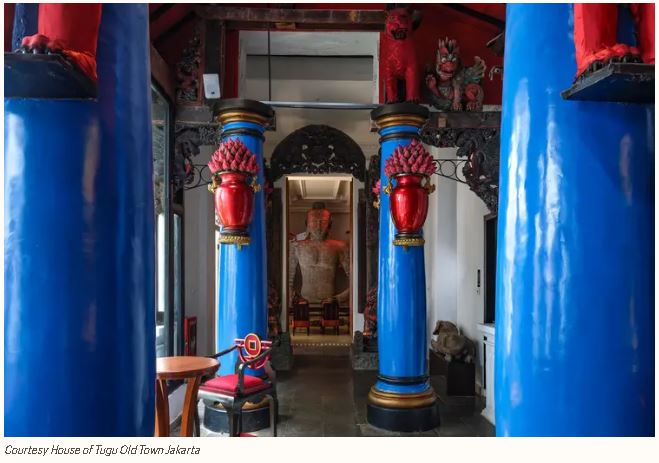
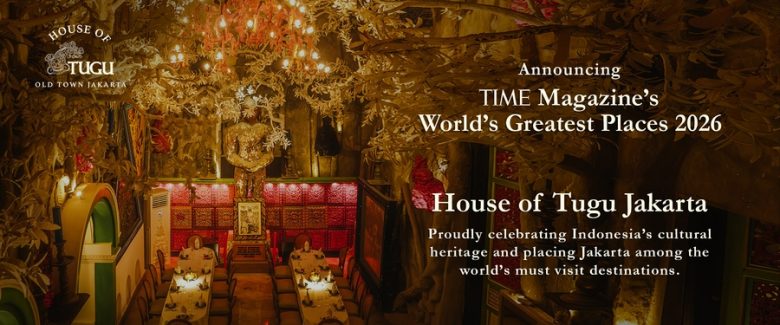
When House of Tugu finally opened in Jakarta’s Old Town (Kota Tua) in January 2025 after two decades of development, it offered something rare in Indonesia: a public home for Peranakan heritage. One-of-a-kind antiques painstakingly collected over nearly 60 years by Anhar Setjadibrata, who co-owns the Tugu Hotels & Restaurants group with his wife, Wedya Julianti, and daughter Lucienne Anhar, fill the 26 guest rooms and corridors of the historic eight-building complex. That visibility matters. For generations—from 1967 until nearly 2000—assimilationist policies restricted public expressions of Chinese-Indonesian identity, leaving many Peranakan Indonesians disconnected from their heritage. Today, House of Tugu displays more than 1,000 privately preserved pieces, including an 87-ft. gold- and red-hued Chinese New Year dragon from the 1960s and a tiger-headed ceremonial boat built in 1648. The next stage arrives in June with the opening of the on-site Huang Museum, which will bring several thousand more artifacts out of warehouses and into public view. “We don’t want to be a typical museum,” Lucienne says. “We want to tell the stories of each of these items—and the people behind them.”